
Eating should be easy, enjoyable, and safe. For people with mobility or coordination challenges, adaptive dining tools help a lot. These tools improve independence and support rehabilitation. They reduce effort, increase safety, and promote dignity during meals.

Offset Spoons Make Eating Easier
Offset spoons have angled handles that reduce wrist strain. They help people with limited arm movement eat comfortably. These spoons come in left- or right-handed versions. They’re perfect for people recovering from strokes or injuries. The design supports a natural motion when bringing food to the mouth.
Plastisol-Coated Spoons Protect Sensitive Mouths
Some people have bite reflexes or sensitive teeth. Plastisol-coated spoons have soft, protective coverings. They prevent injury and reduce discomfort. These spoons are often used during rehabilitation or for people with neurological conditions. The soft coating also makes the spoon quieter and more gentle.
Side Cutter Forks Make One-Handed Eating Possible
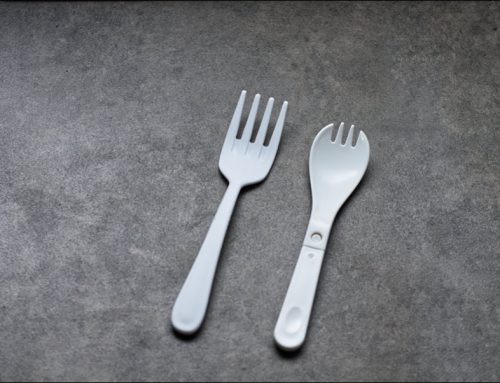
Cutting food can be difficult with one hand. Side cutter forks include a sharp edge to slice through food. These forks combine cutting and eating in one motion. They help people with limited hand function maintain independence. No need for a separate knife or extra help.
 Built-Up Handles Improve Grip and Control
Thin utensils are hard to hold with weak or stiff hands. Built-up handles are thick and easy to grip. They reduce strain and allow better control. Some handles have textured surfaces to prevent slipping. These tools are ideal for arthritis, Parkinson’s, or hand injuries.
Weighted Utensils Reduce Tremors
Unsteady hands make eating frustrating. Weighted utensils help reduce shaking and improve control. They’re helpful for people with tremors or neurological conditions. The extra weight provides stability and focus. This leads to fewer spills and more confidence.
Hand-In-Mug Cups Offer a Steady Hold
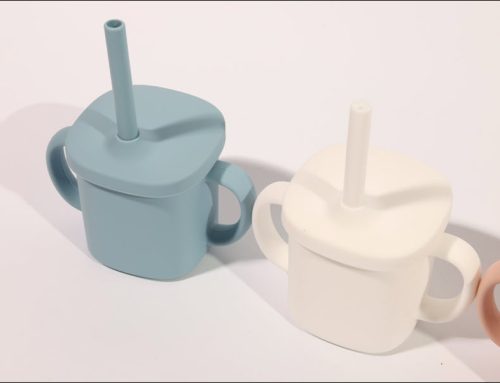
Adaptive mugs with hand-in openings are easier to grip. The design supports the whole hand, not just fingers. These cups reduce the risk of dropping or spilling. Some models have textured surfaces for better control. They’re great for people with limited hand strength or coordination.
Nosey Cups Help with Limited Neck Movement
Some people can’t tilt their heads back easily. Nosey cups have a cut-out rim for easier drinking. You don’t need to tip your head to drink. These cups support safe hydration and comfort during recovery.
Accessible dining tools from Rehabilitation Advantage make mealtimes safer and more enjoyable. From offset spoons to adaptive mugs, each tool supports independence. Small changes can bring big improvements. Talk to an occupational therapist for personalized advice. The right tool can restore dignity, control, and comfort during meals.