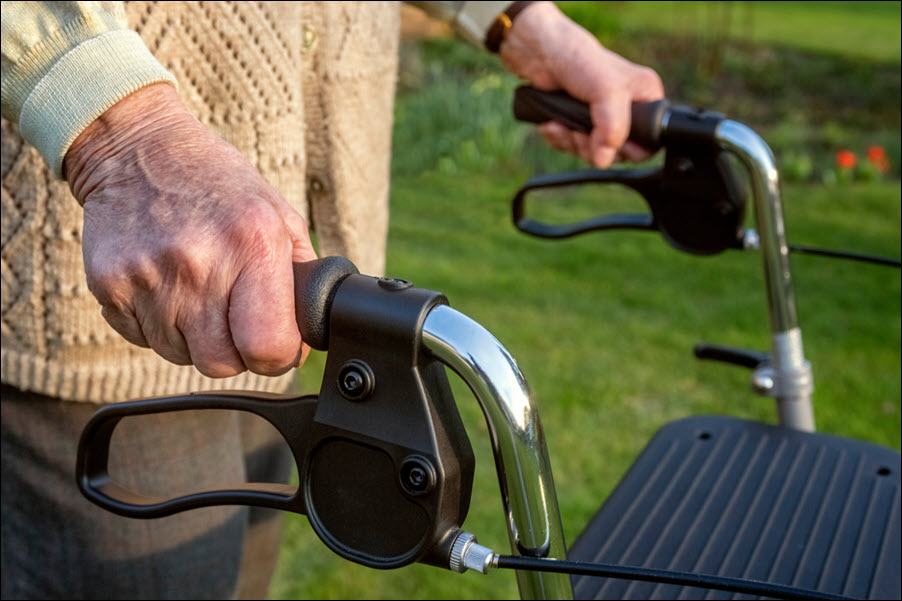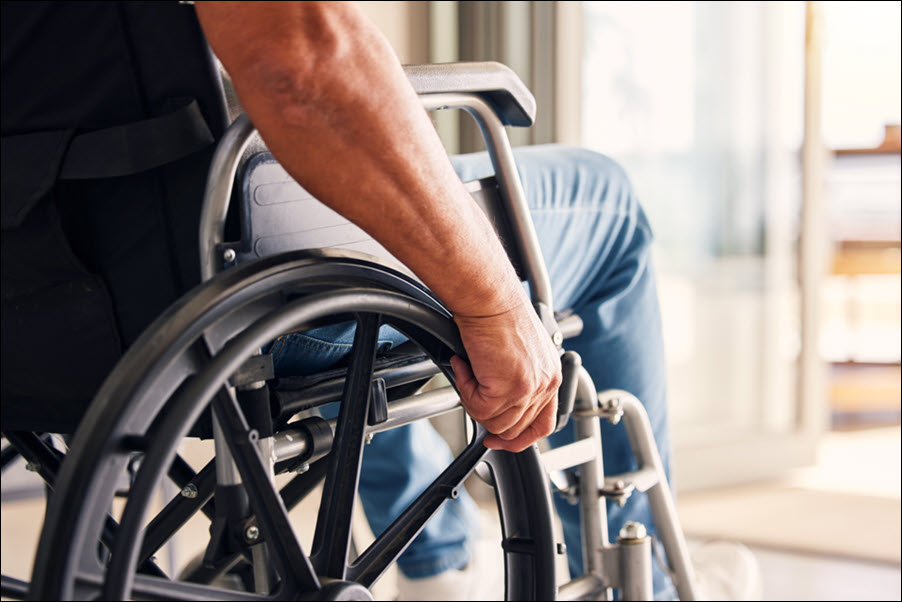
Recovering from surgery requires more than rest. Patients often need structured rehabilitation to restore movement, reduce pain, and regain strength. Physical therapy plays a critical role in helping individuals transition from hospital to home while promoting long-term healing. Complementing the physical therapy process, many rehabilitation tools, aids, and devices are available to enhance the recovery process.
Why Physical Therapy Matters After Surgery
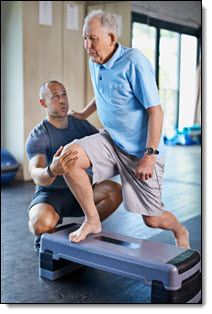 Surgical procedures can limit range of motion and weaken muscles. Without intervention, scar tissue may reduce flexibility. Physical therapy actively prevents these issues by promoting movement under professional guidance.
Pain Management Through Therapy
Therapists use techniques such as massage, stretching, and guided exercise to reduce pain. These methods encourage circulation and help decrease the need for long-term pain medication.
Restoring Strength and Mobility
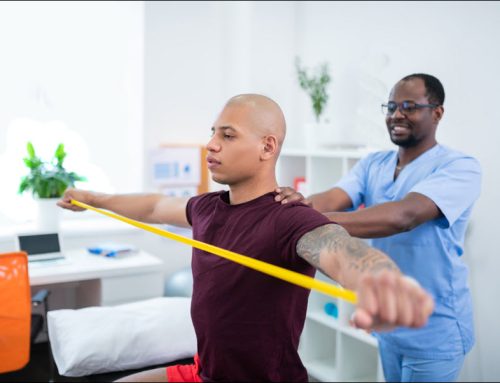
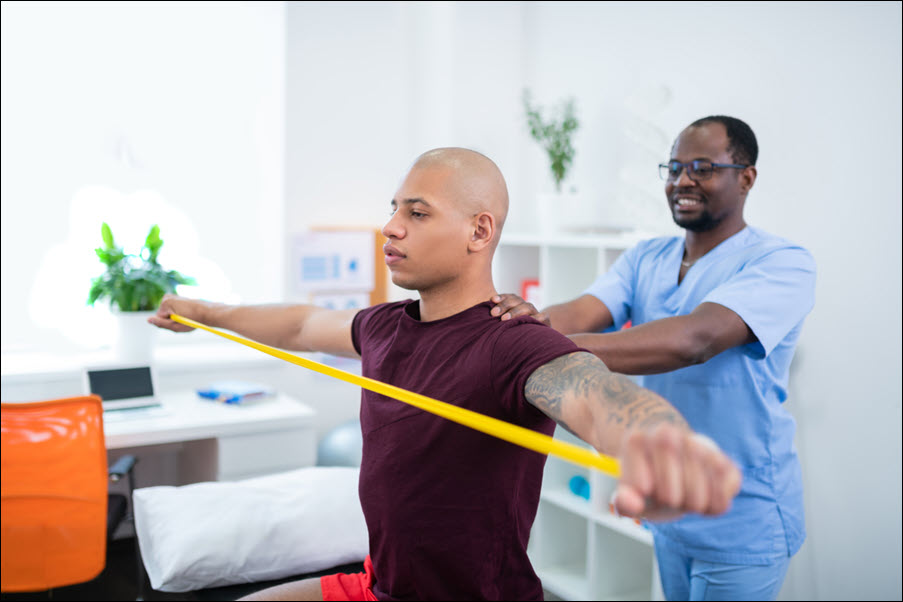
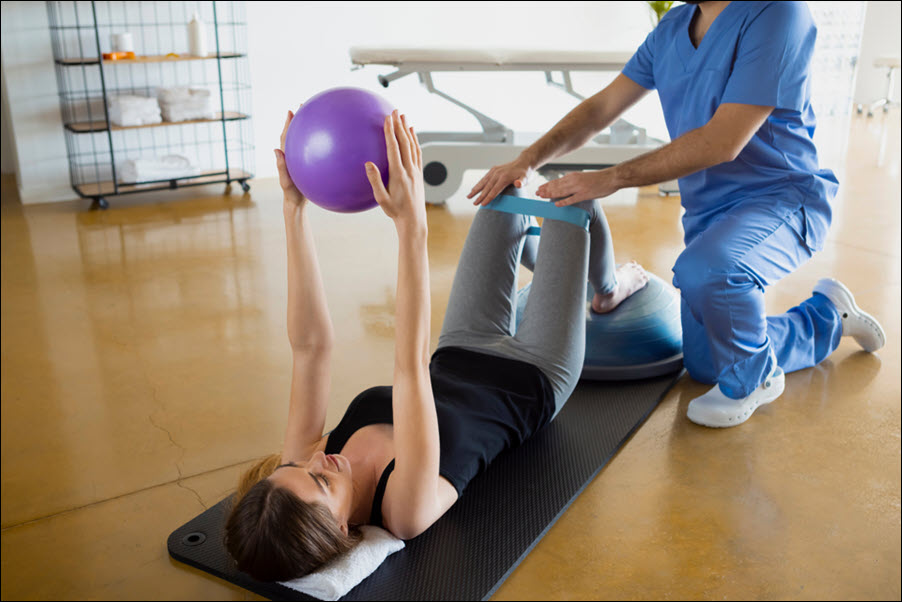
After surgery, muscles may weaken due to inactivity. Physical therapists create tailored exercise programs to strengthen specific muscle groups, restore balance, and improve walking ability.
Preventing Complications
Lack of movement increases the risk of blood clots and joint stiffness. By following a structured therapy plan, patients can reduce these risks and achieve faster healing.
Psychological Benefits
 Therapy also improves emotional well-being. Patients often feel more in control of their recovery when guided by a professional. The motivation and support provided by therapists help reduce anxiety.
Long-Term Results
Consistent therapy improves long-term outcomes. Patients who commit to rehabilitation often regain independence faster and enjoy higher quality of life.
Physical therapy is a cornerstone of post-surgical recovery. By managing pain, restoring mobility, and preventing complications, it ensures a smoother return to daily life. Find your physical therapy devices at Rehabilitation Advantage for the best selection and pricing.