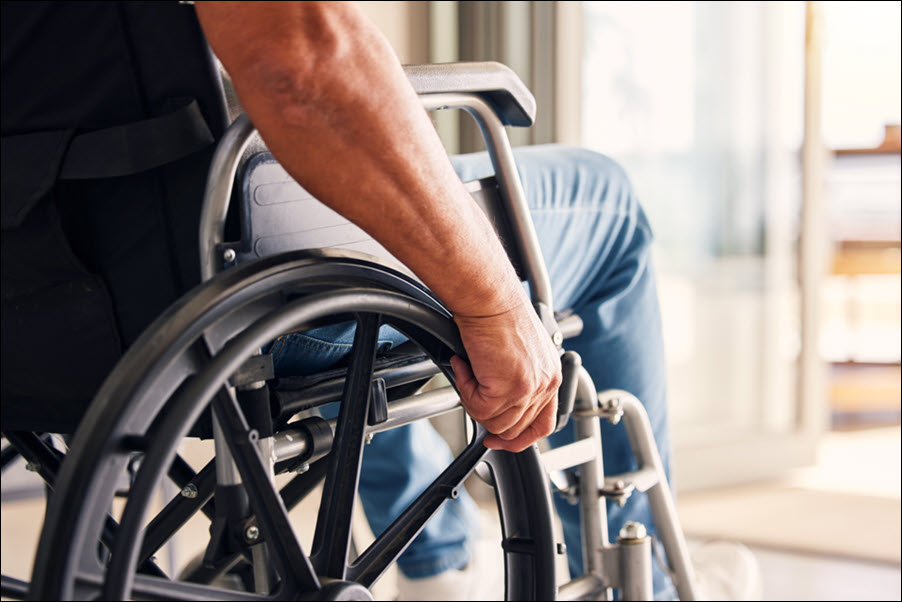
Wheelchair users face a higher risk of pressure sores because prolonged sitting reduces blood flow to the skin. Pressure injuries often form over bony areas like the tailbone, hips, and heels. They can start as mild redness and progress to deep wounds if you ignore early warning signs. Proper wheelchair positioning prevents skin breakdown by distributing pressure, supporting posture, and reducing friction and shear. A good setup also improves comfort, breathing, and daily function. Caregivers and users should treat pressure sore prevention as a daily routine, not a one-time adjustment. When you pair the right equipment with consistent habits, you protect skin health and maintain independence.
Set Up Proper Wheelchair Posture and Support
 Start with a neutral sitting posture. Keep the pelvis level, the hips positioned all the way back, and the spine supported. When a person slides forward, shear forces increase and skin tears more easily. Adjust seat depth so there is space behind the knees, and set footrests so feet rest flat without pulling the user forward. Keep knees and hips at comfortable angles, and position armrests to support shoulders without shrugging. Use lateral supports if the person leans to one side. A rehab professional can evaluate seat width, back support, and tilt settings to reduce pressure and improve alignment. Small changes in fit often make a major difference.
Choose the Right Cushion and Use Pressure Reliefs
A quality wheelchair cushion plays a major role in pressure relief. Foam cushions provide basic support, while gel, air, or hybrid cushions often improve pressure distribution for higher-risk users. Match the cushion to the person’s weight, posture, and skin risk factors, and replace it when it compresses or leaks. Even with the best cushion, the body still needs movement. Encourage pressure reliefs every 15–30 minutes, depending on medical guidance. Users can perform wheelchair push-ups, forward leans, side leans, or tilt-in-space changes if their chair allows it. Set phone reminders or use a timer so pressure relief becomes automatic and consistent.
Build a Daily Skin and Safety Routine
Check skin at least once per day, especially over the tailbone, hips, and thighs. Look for redness, warmth, swelling, or shiny skin that does not fade after pressure relief. Keep skin clean and dry, manage moisture from sweat or incontinence, and use gentle cleansers and barrier creams when needed. Avoid thick seams or wrinkled clothing that creates pressure points. Maintain hydration and nutrition, because healthy skin needs protein and fluids to resist injury and heal. If redness persists, reduce sitting time and contact a clinician quickly. Early action prevents small issues from turning into serious pressure sores.