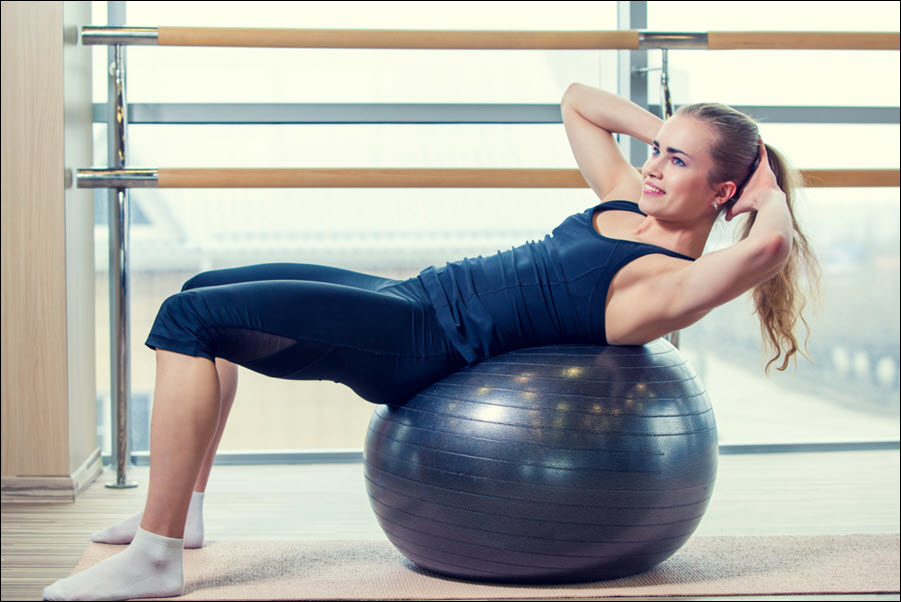
Exercise balls are popular in fitness, but they also hold immense value in physical therapy and recovery. These large, inflatable spheres challenge stability, strengthen core muscles, and improve coordination. For patients recovering from surgery, illness, or injury, exercise balls provide an accessible way to rebuild strength and confidence. They promote both physical and mental well-being by making therapy engaging and effective.
Improving Balance and Coordination
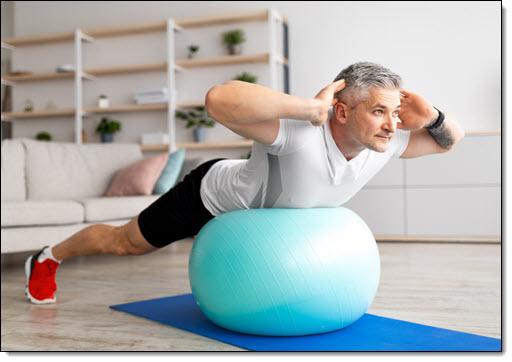 Balance is often compromised during recovery. Exercise balls create an unstable surface that forces muscles to stabilize the body. This improves coordination, strengthens stabilizing muscles, and reduces the risk of falls. Activities such as sitting on the ball while lifting arms or performing leg movements improve posture and core control. These exercises not only aid recovery but also help patients feel more confident in daily life. Better balance translates to improved safety during routine activities like walking, standing, or climbing stairs.
Strengthening the Core and Supporting Recovery
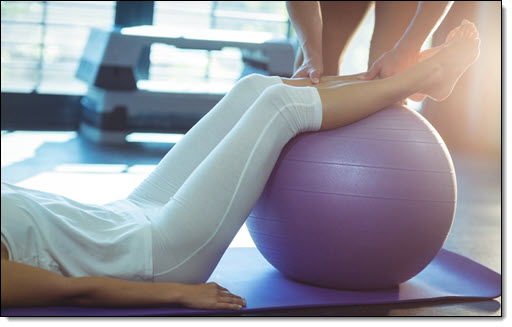 The core is central to nearly all body movements, and strengthening it is vital during rehabilitation. Simple exercises like pelvic tilts, bridges, or seated marches on the ball target abdominal and back muscles. Stronger core muscles improve posture and relieve stress on the spine, which is especially beneficial for individuals recovering from back injuries. Exercise balls also make stretching routines more effective by supporting a wider range of motion. Their versatility ensures that patients of different ability levels can use them safely and progressively.
There are also exercise balls designed for handheld use, available through our store.
Exercise balls enhance recovery by improving balance, building core strength, and increasing flexibility. They make rehabilitation more engaging while supporting safe and effective progress. For patients aiming to regain mobility and confidence, exercise balls are invaluable tools.