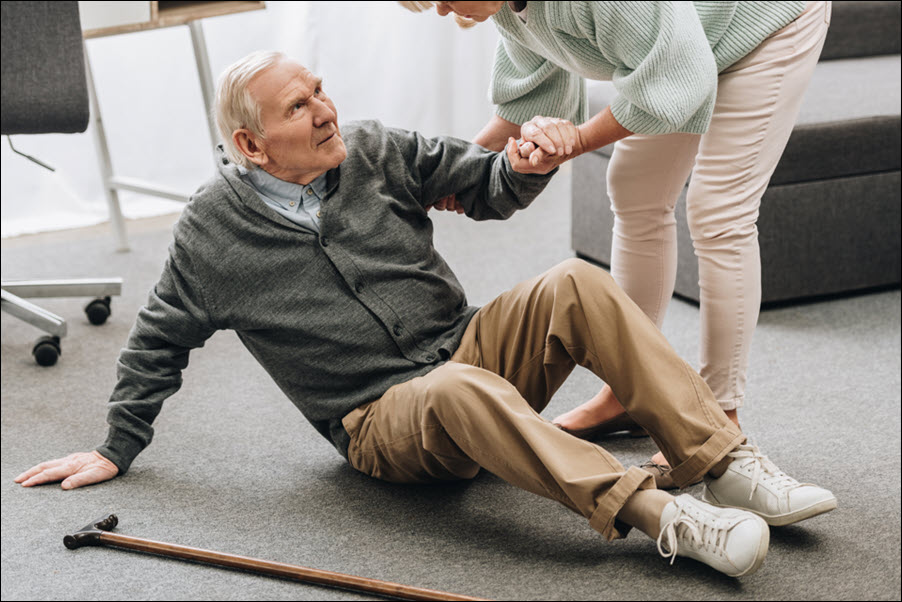
Falls are one of the most common causes of injury for older adults, but you can reduce the risk with smart changes and consistent habits. Effective fall prevention at home starts with awareness and a plan. Many falls happen during everyday tasks like getting out of bed, using the bathroom at night, or stepping over clutter. When you remove common hazards and support steady movement, you help seniors stay independent longer. Start by reviewing recent “near falls,” dizziness, or moments of unsteadiness. Those warnings point to fixable problems such as poor lighting, unsafe footwear, weak leg strength, or medication side effects. A simple home fall prevention routine can make daily life safer and more confident.
Make the Home Safer Room by Room
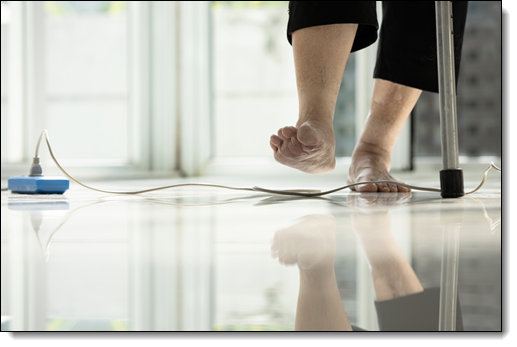 Home safety for seniors improves quickly when you focus on high-risk areas. In hallways and living rooms, clear walking paths and remove throw rugs or secure them with non-slip backing. Tape down cords, keep pet toys off the floor, and arrange furniture so turns feel wide and easy. In the bathroom, install grab bars by the toilet and inside the shower, add a non-slip mat, and consider a shower chair. Improve lighting everywhere, especially on stairs and between the bedroom and bathroom. Use nightlights or motion-sensor bulbs so seniors don’t walk in the dark. Add handrails on both sides of stairways and place frequently used items within easy reach.
Build Strength, Balance, and Better Walking Habits
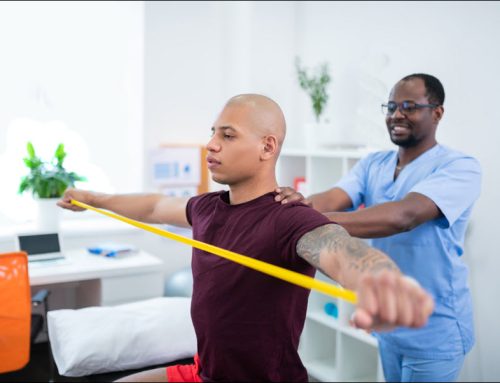
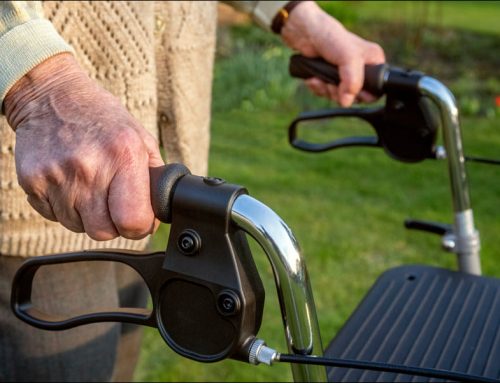
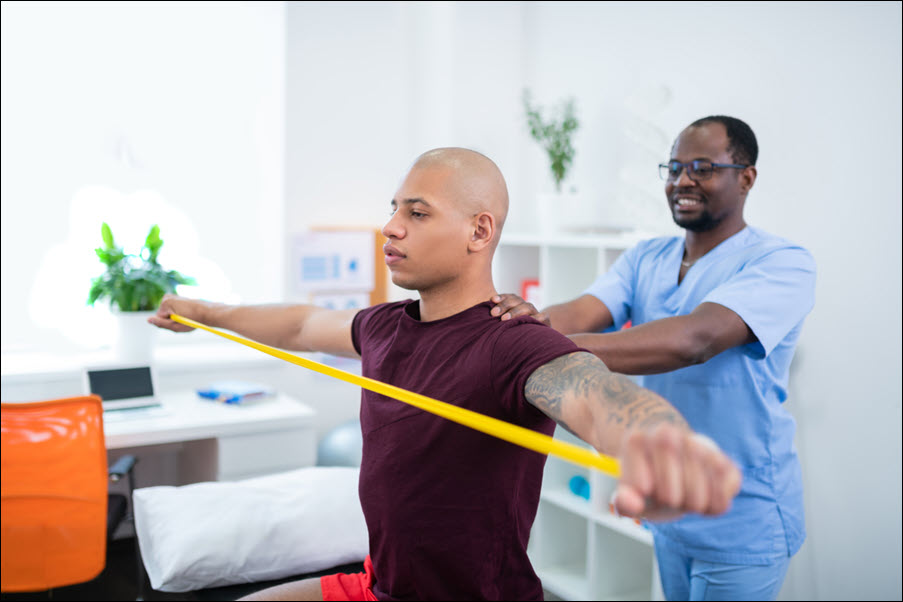
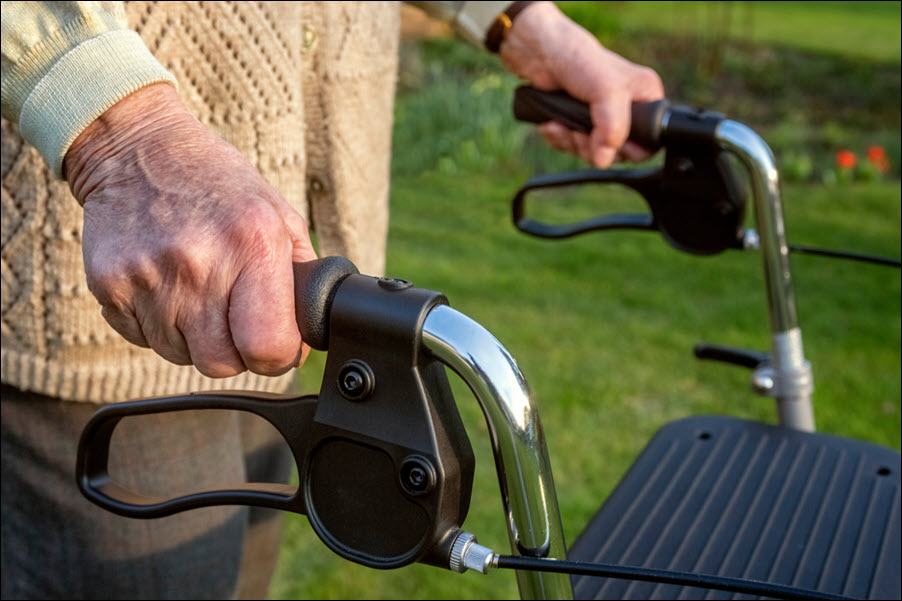
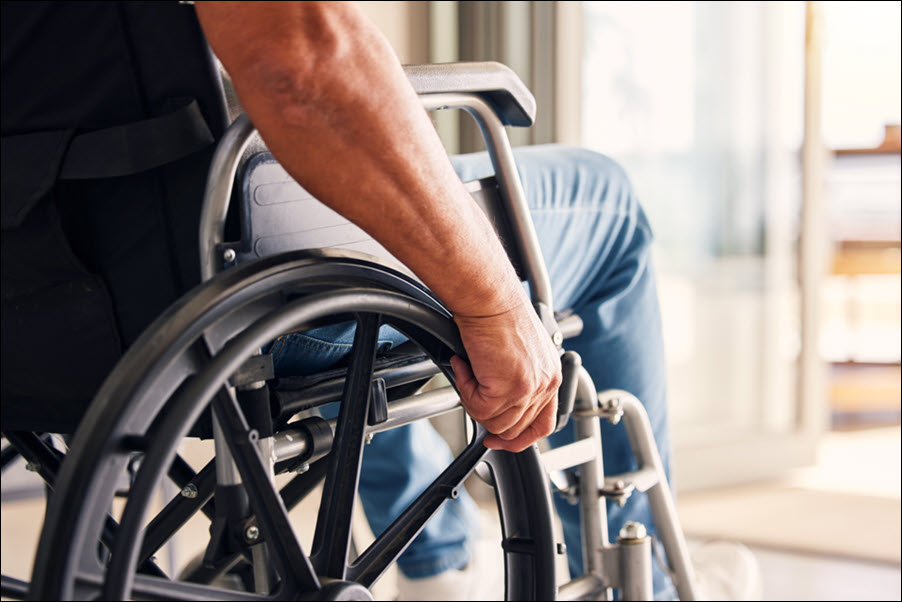
Exercise prevents falls because it improves leg strength, balance, and reaction time. Encourage seniors to practice simple balance moves near a sturdy counter, such as heel-to-toe standing or single-leg holds with support. Add chair stands, gentle squats, and step-ups to build hip and thigh strength. Walking every day helps, but safe walking matters more than speed. Wear supportive, non-slip shoes indoors and outdoors, and avoid loose slippers. If a cane or walker helps, get it fitted properly and practice using it in tight spaces like bathrooms. A physical therapist can design a home exercise program that targets specific weaknesses and builds confidence. Likewise, investing in some basic mobility support products can help protect seniors from falls.
Review Health Factors That Increase Fall Risk
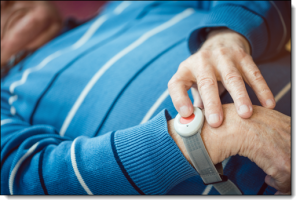 Health conditions often raise fall risk even in a tidy home. Schedule vision and hearing checks, because poor depth perception and missed cues can cause stumbles. Ask a pharmacist or clinician to review medications, especially those that cause dizziness or sleepiness. Address low blood pressure, dehydration, and poor sleep, because each one can trigger weakness and lightheadedness. Keep pathways clear for emergency access, and consider a medical alert device for added safety. Most importantly, talk openly about falls without blame. When seniors feel supported, they report symptoms sooner and follow prevention steps consistently—making home a safer place to live independently.