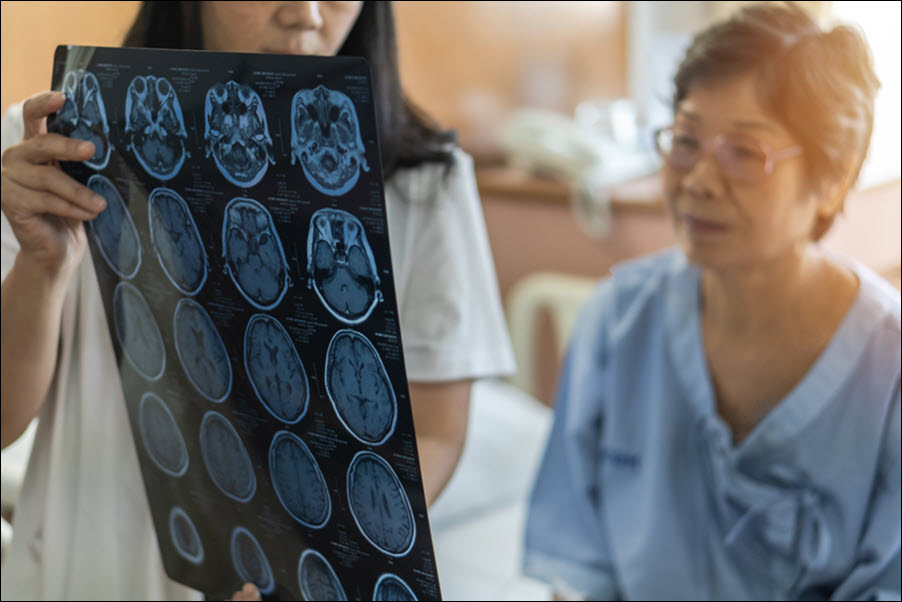
Stroke rehabilitation helps people regain movement, independence, and confidence after a stroke. Recovery often starts in the hospital, but progress continues for months with consistent therapy and daily practice. A stroke can affect strength, balance, speech, coordination, vision, and thinking skills. Rehab targets these changes with structured exercises and task-based training that retrains the brain and body to work together again. People improve fastest when they begin therapy early, set clear goals, and repeat movements often. Families play a major role by supporting routines and celebrating small wins. With the right plan, stroke recovery can restore function and help survivors return to meaningful activities.
Rebuild Mobility with Physical Therapy and Repetition
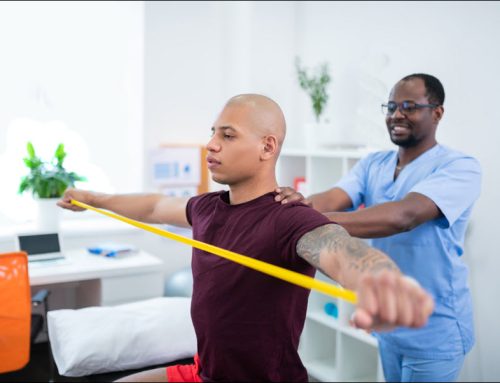
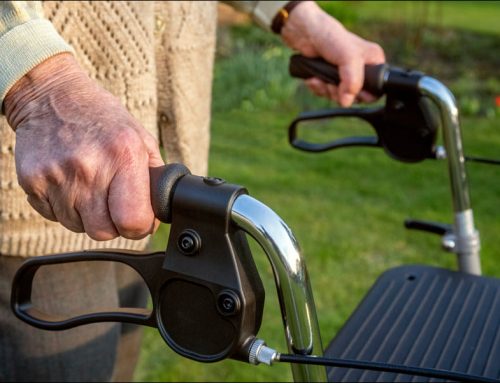
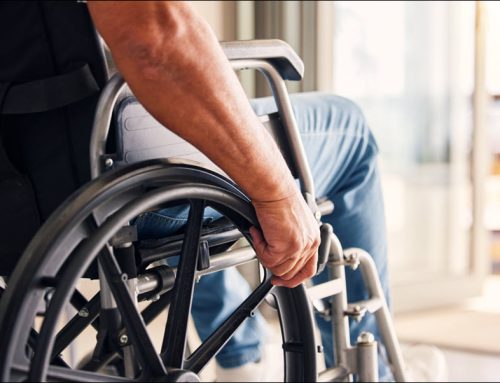
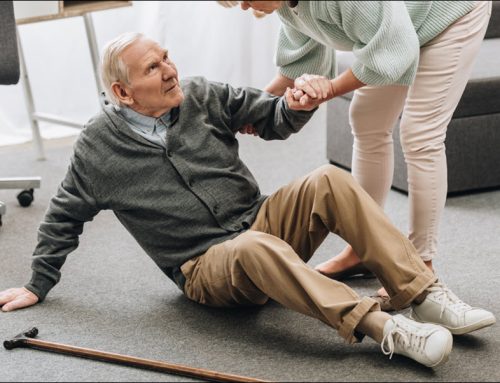
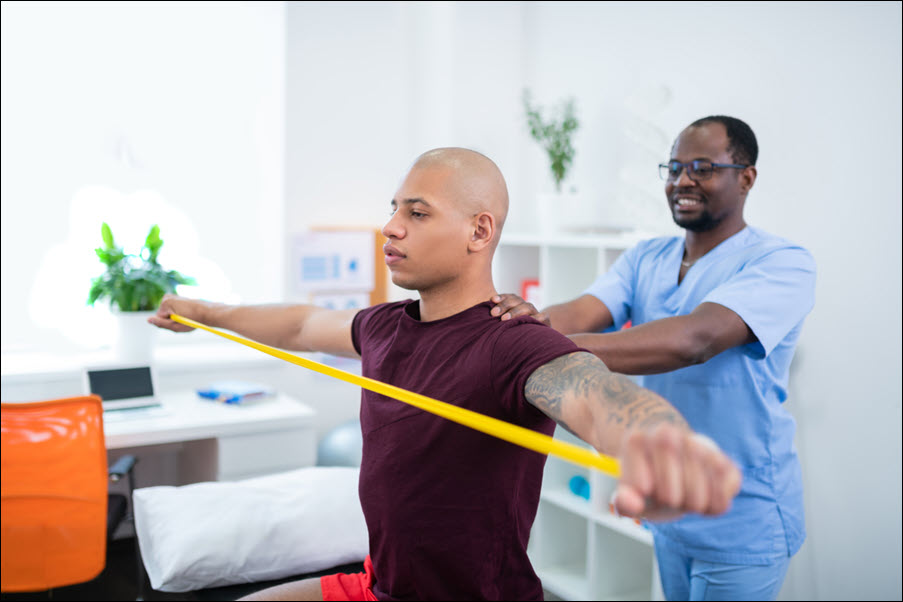
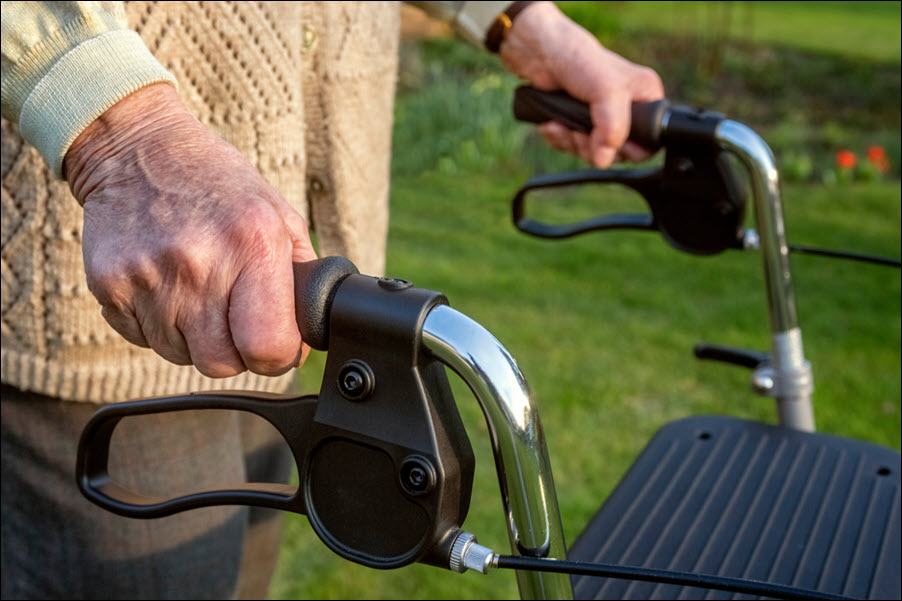
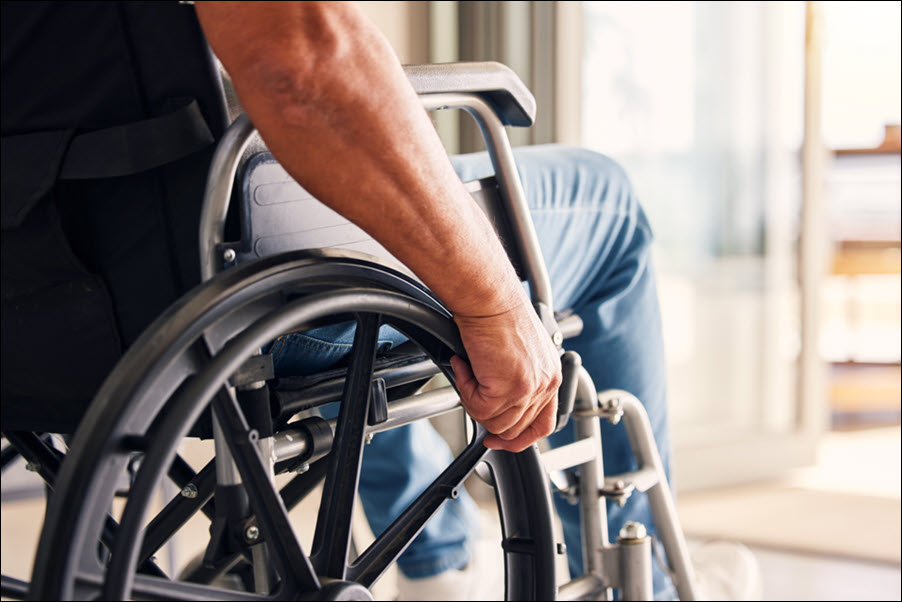
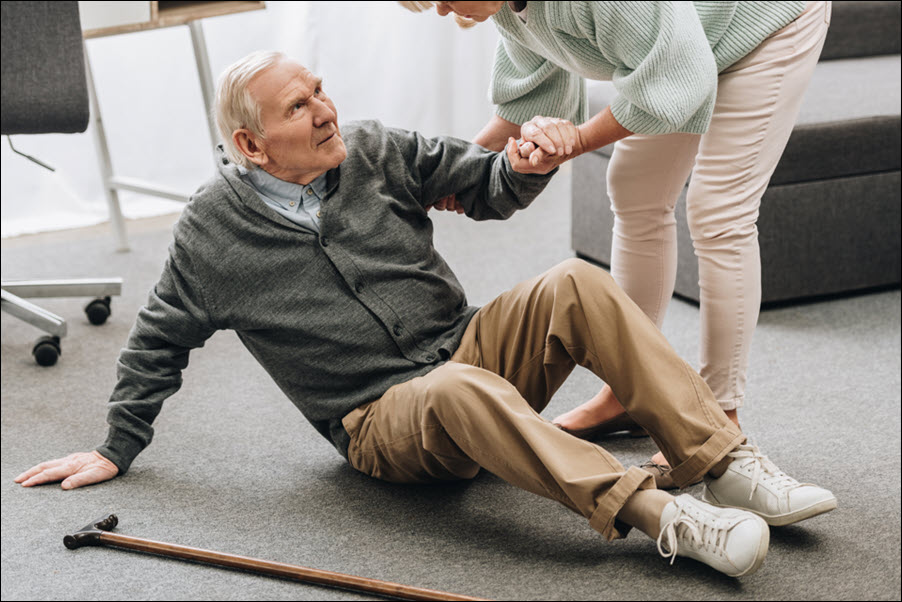
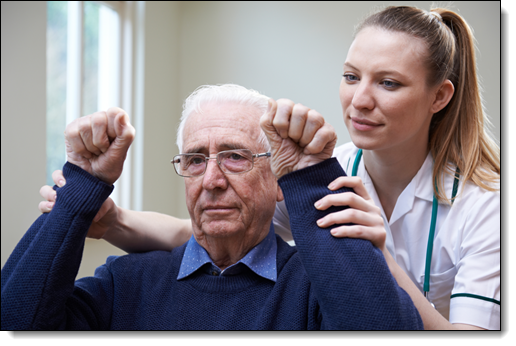 Physical therapy after stroke focuses on walking, balance, transfers, and strength. Therapists train safe bed mobility, sit-to-stand technique, and standing tolerance to reduce fall risk. They also use gait training, step practice, and endurance work to rebuild safe walking. Repetition matters, because the brain rewires through consistent practice. Rehab often includes weight shifting, marching, obstacle stepping, and stair training when appropriate. Therapists may add braces, canes, or walkers to improve safety while strength returns. They also address spasticity, shoulder protection, and fatigue management so the body stays ready for practice. When survivors perform a home exercise program daily, they usually see steadier gains. There are multiple stroke support products to aid in stroke recovery.
Restore Daily Function with Occupational Therapy
Occupational therapy helps stroke survivors regain independence in daily life. OT focuses on dressing, bathing, toileting, cooking, and fine motor control. Therapists practice real-life tasks and teach strategies that compensate for weakness or one-sided neglect. They may work on hand coordination with grasp-and-release exercises, reaching drills, and adaptive tools that make activities easier and safer. OT also addresses vision issues, cognitive changes, and problem-solving skills that affect household routines. Home modifications often support success, such as grab bars, shower chairs, raised toilet seats, and clear walking paths. When survivors practice tasks in the same environment where they live, they build habits that carry into everyday life.
Add Speech Therapy, Cognitive Training, and Long-Term Support
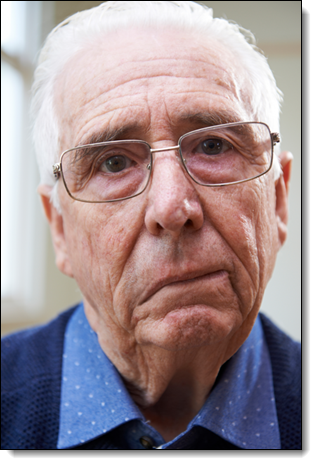
Many stroke survivors need speech-language therapy to improve communication and swallowing. Speech therapists treat aphasia, slurred speech, and cognitive-linguistic problems such as attention and memory. They also teach safe swallowing techniques and recommend diet changes when needed. Rehab works best with a team approach, so coordinate goals across PT, OT, and speech therapy. Track progress weekly, adjust exercises, and keep routines realistic to avoid burnout. Caregivers can support recovery by using short instructions, allowing extra time, and encouraging independence. Stroke rehabilitation takes effort, but consistent practice and guided therapy can restore function and improve quality of life.