
Smart home technology is transforming the way people with mobility challenges live. Once considered luxury, voice assistants, automated systems, and adaptive devices are now practical tools that improve independence.
For seniors or individuals with physical limitations, these features reduce reliance on caregivers and make everyday tasks easier. By customizing technology to their needs, mobility-impaired individuals can enjoy greater freedom, comfort, and safety within their homes.
Voice-Activated Assistants
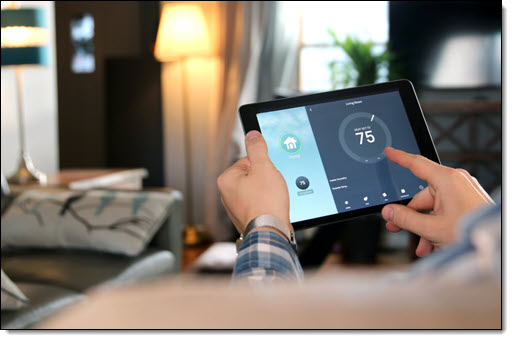 One of the most impactful tools is the voice assistant. Devices like Amazon Alexa, Google Home, or Apple’s Siri allow users to control lights, thermostats, locks, and entertainment systems through simple commands. This eliminates the need to reach switches or knobs, which can be difficult for individuals with limited mobility. Voice technology also connects to reminders for medications or appointments, helping users stay organized.
For those with limited hand strength or dexterity, hands-free control provides independence without physical strain. Caregivers also benefit, as smart commands reduce the need for constant assistance. By enabling control over daily tasks, voice-activated assistants give users greater autonomy.
Automated Lighting and Appliances
Smart lighting systems reduce fall risks by ensuring that pathways remain illuminated without requiring switches. Motion-sensor lights in hallways or bathrooms prevent nighttime accidents. Automated appliances, such as smart ovens or washers, allow remote operation through apps, making household chores safer and more accessible.
For example, a user can preheat the oven or start laundry without standing for long periods. These features save energy while making the home environment more manageable. Combined with voice commands, smart appliances help create routines that support both independence and safety.
The ability to manage tasks remotely encourages confidence, allowing individuals to remain engaged in their daily lives.
Safety and Security Enhancements
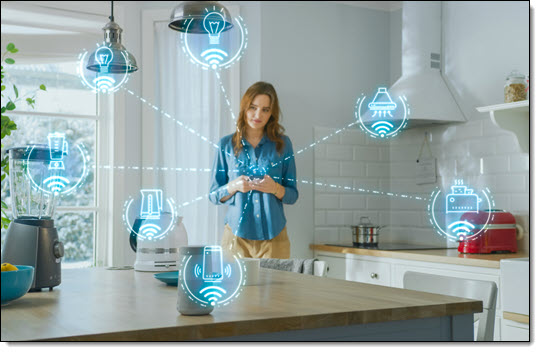 Smart locks and video doorbells provide additional peace of mind. They allow users to control entry without walking to the door, which is especially important for those with limited mobility. Medical alert systems integrated with smart technology also provide immediate help in emergencies.
Sensors that detect unusual activity, such as long inactivity periods, notify caregivers quickly. These tools reduce anxiety and create a sense of safety for both users and their families. Security features enhance independence by ensuring that individuals feel safe living alone or with minimal supervision.
Smart home features are practical solutions that transform daily living for mobility-impaired individuals. Voice assistants, automated lighting, and advanced security systems reduce risks and increase independence. By adopting these technologies, users gain greater control over their environment while enjoying peace of mind.
For those elements of daily living that cannot be automated by computers and digital technology, Rehabilitation Advantage offers a variety of daily living tools, personal care products, adaptive dining aids, and mobility devices that provide enhanced independence to individuals with physical challenges, as well.