
While safety and care are essential, one of the most powerful benefits of assisted living is the opportunity for social engagement. Many seniors experience loneliness at home, which negatively impacts mental and physical health. Assisted living communities foster interaction, connection, and belonging.
This social environment improves well-being, reduces isolation, and enriches everyday life. In the right community, seniors are able to retain a high degree of independence and dignity while augmenting their lifestyles with the proper care as needed.
Reducing Loneliness and Isolation
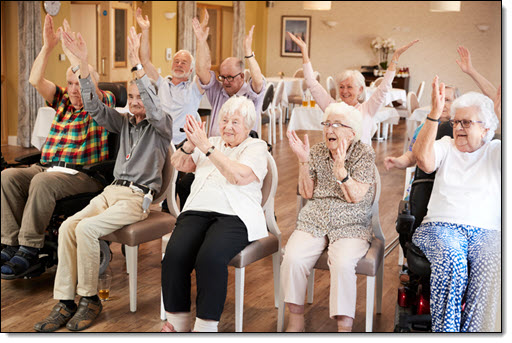 Living alone often leads to isolation, especially when mobility or transportation is limited. Assisted living communities provide daily opportunities to connect with others. Shared dining areas, group activities, and community events encourage interaction.
Simply being surrounded by peers reduces feelings of loneliness. Social bonds also provide emotional support, helping residents cope with life’s challenges. These daily interactions boost morale and create a sense of belonging that is difficult to achieve when living independently.
Encouraging Active Lifestyles
Social engagement often leads to increased activity. Assisted living communities host fitness classes, games, and cultural events that promote both mental and physical health. Seniors who might otherwise remain sedentary at home become more active when surrounded by supportive peers.
Engaging in hobbies, discussions, or group outings stimulates the mind and body. This improved activity level often translates into better health outcomes and higher quality of life. The motivation to participate comes not only from structured programs but also from the friendships formed in these communities.
Strengthening Emotional Well-Being
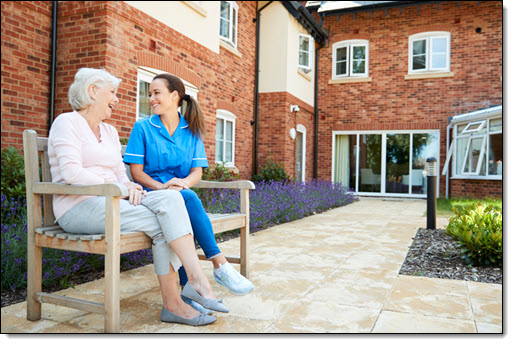 Emotional health is closely tied to social interaction. Seniors in assisted living report feeling happier, more secure, and more valued than those living in isolation. Being part of a community where they can share experiences and maintain relationships reduces depression and anxiety.
Families also notice improvements in mood and outlook. The emotional benefits of social interaction are long-lasting, helping seniors face challenges with resilience and optimism.
The social benefits of assisted living are profound. By reducing isolation, encouraging activity, and improving emotional well-being, these communities create environments where seniors thrive. Social connection transforms assisted living into not just a place to live, but a place to belong.
Rehabilitation Advantage adds quality-of-life enhancement by offering products that help seniors maintain their independence, whether they live at home or in an assisted living community.