Adaptive equipment helps people stay independent when arthritis, stroke, joint replacement, Parkinson’s, or general aging makes daily tasks harder. The right tools reduce fall risk, protect sore joints, and save energy during routines like getting dressed, bathing, cooking, and moving around the home. Many people wait too long to try assistive devices because they worry it feels like “giving in.” In reality, adaptive aids let you do more for yourself with less pain and less fatigue. You also prevent injuries by avoiding awkward bending, twisting, and overreaching. This guide covers common adaptive equipment for daily living and explains how to choose options that fit your home, body, and goals.
Dressing Aids That Make Mornings Easier
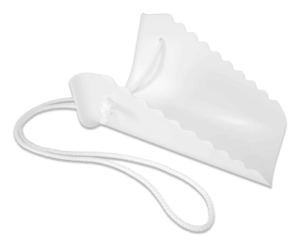 Dressing becomes difficult when you can’t reach your feet, grip small buttons, or balance on one leg. A long-handled reacher helps you pick up clothing, pull pants into position, and retrieve items without bending. A dressing stick lets you guide sleeves, push off jackets, and manage clothing with limited shoulder motion. Sock aids help you slide socks on with one hand or limited hip flexibility, and long-handled shoehorns reduce strain on hips and knees. If fine motor control limits you, use a button hook, zipper pull, or elastic shoelaces to simplify fasteners. Choose tools with large, non-slip grips if you have hand arthritis. Practice seated dressing for better balance and less fall risk.
Bathing and Bathroom Safety Equipment
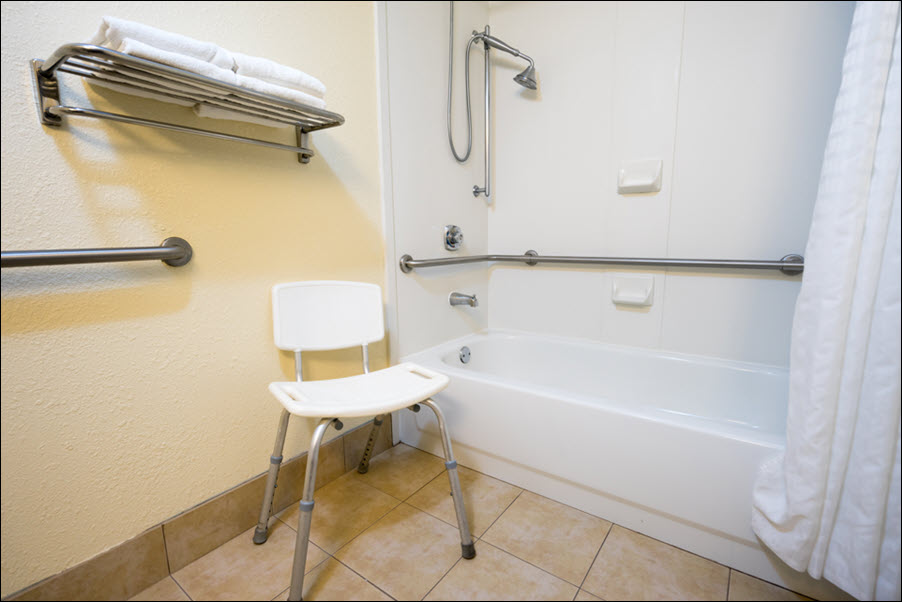
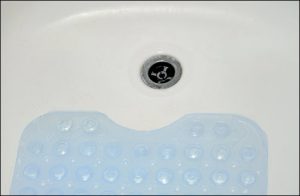 The bathroom creates the highest fall risk in many homes, so bathing aids often provide the biggest safety boost. Install grab bars near the toilet and inside the shower or tub, and avoid towel racks because they won’t hold weight. Use a non-slip bath mat and add a shower chair or tub transfer bench if standing feels unsteady. A handheld shower head makes washing easier while seated and reduces twisting. Raised toilet seats and toilet safety frames make sit-to-stand transfers safer, especially after surgery or with weak legs. For hygiene tasks, long-handled sponges and bottom wipers reduce bending and protect hip precautions. Keep soap in a dispenser instead of a slippery bar, and keep the floor dry to prevent slips.
Kitchen and Household Tools for Daily Tasks
Adaptive equipment can also simplify cooking, cleaning, and household chores. Use jar openers, rubber grip pads, and electric can openers to reduce strain on painful hands. Choose utensils with built-up handles to improve control and comfort. A reacher helps you access shelves and pick up dropped items, while a rolling cart prevents you from carrying heavy loads across the home. Use a lightweight cordless vacuum and long-handled dustpan to reduce bending. If standing endurance is limited, use a perching stool at the counter and break tasks into short blocks. In the laundry room, use a wheeled hamper and keep detergent at waist height. These small adjustments conserve energy and support independence.
Mobility and Transfer Aids That Reduce Fall Risk
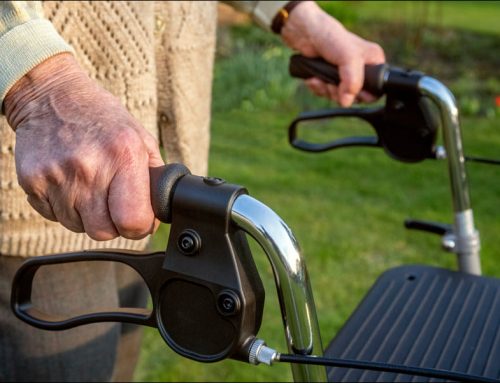
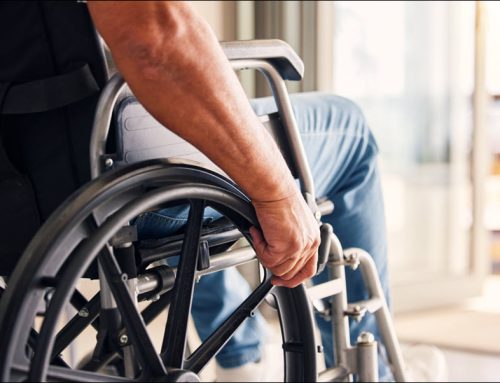
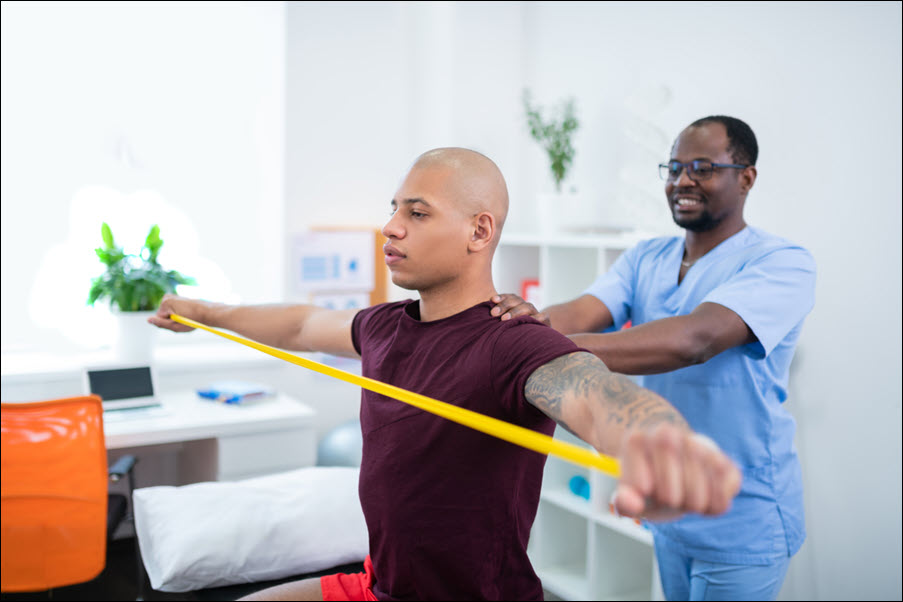
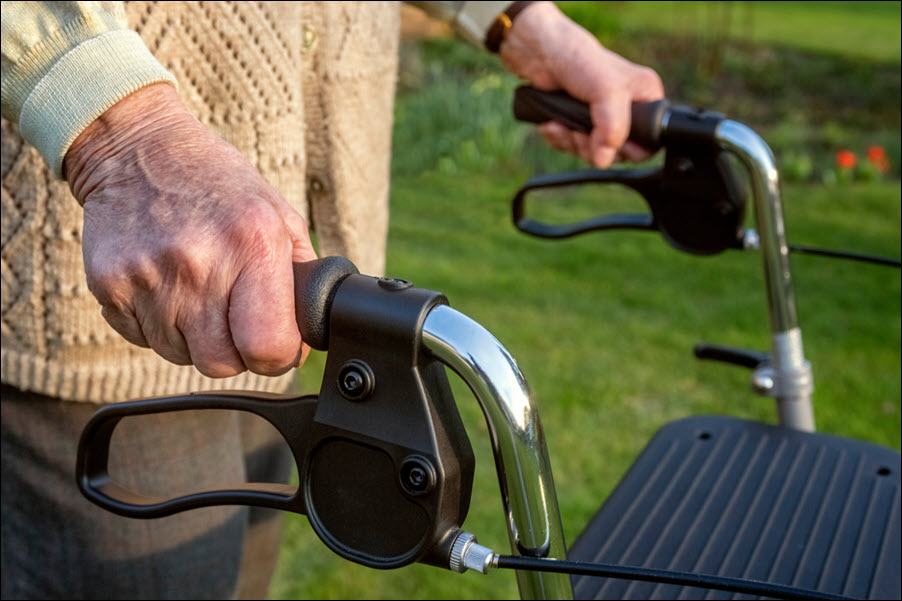
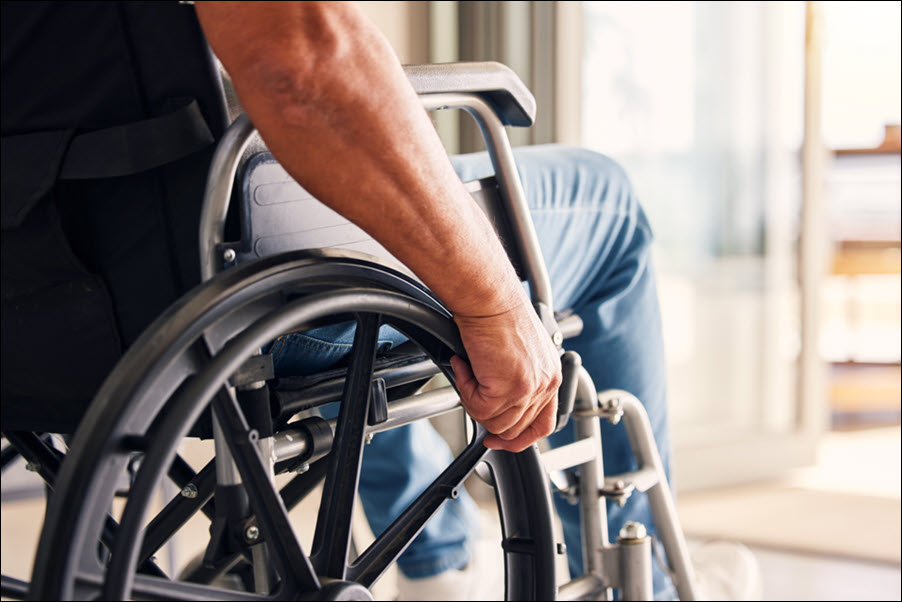
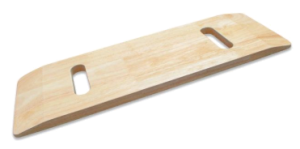 Many daily tasks become safer when you add stability supports. A properly fitted cane or walker improves balance and confidence, especially during nighttime bathroom trips. Bed rails or transfer poles help with sit-to-stand movement, and they reduce caregiver strain during assistance. For low chairs, furniture risers increase seat height and make standing easier. Non-slip footwear and sock aids work together to keep footing stable. Consider motion-sensor nightlights in hallways and bathrooms to improve visibility. If you use a wheelchair, choose an appropriate cushion and practice pressure relief to protect skin. A physical or occupational therapist can recommend the right devices and teach safe techniques for your specific needs.
How to Choose the Right Adaptive Equipment
Start with the task you want to improve: dressing, bathing, toileting, meal prep, or mobility. Pick one or two tools that solve the biggest problem first, because too many new devices can feel overwhelming. Measure your space, especially for bathroom equipment and walkers, so items fit through doorways and around tight corners. Prioritize safety features like non-slip tips, sturdy frames, and easy-to-clean materials. If you feel unsure, schedule an occupational therapy evaluation. OT specialists match tools to your grip strength, balance, range of motion, and home layout. The best adaptive equipment feels simple, comfortable, and repeatable—so you use it every day and stay independent longer.